

Official Acropolis Tickets vs “Resellers” – What’s the Difference?
January 31, 2026
Table of Contents
Introduction
Hidden just below the Acropolis, there is a tiny neighbourhood that feels completely detached from the pace of Athens. Anafiotika is one of those places people often discover by accident. You may arrive in the historic centre expecting ruins, museums and crowded streets, and then suddenly find yourself in what looks like a small Cycladic village quietly resting on the rock.
It is not a place for ticking landmarks off a list. It is a place for wandering without urgency.
How Anafiotika Began
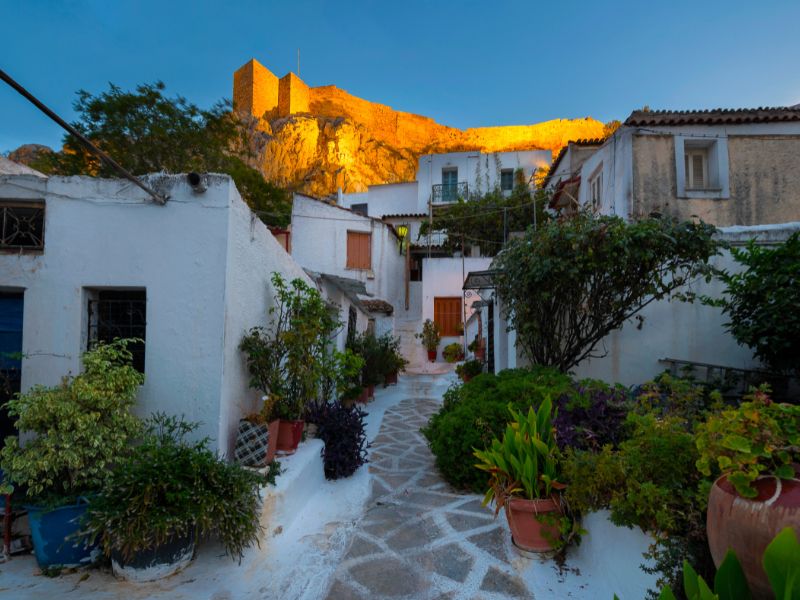
The story of Anafiotika starts in the 19th century, when workers from the island of Anafi came to Athens to help build King Otto’s palace. Like many migrants, they missed home. Instead of only remembering it, they rebuilt a piece of it.
They constructed small white houses, narrow passages and stairways that echoed the architecture of the Cyclades. Over time, this small settlement became part of Athens, yet it never lost its island identity.
Walking here still feels slightly unreal. The city noise softens, the streets narrow, and the bright white walls reflect the sunlight in a way that feels more Aegean than urban.
The Quiet Transition from Plaka
Reaching Anafiotika is part of the experience. There is no dramatic entrance or sign announcing your arrival. The change happens slowly.
The busy streets of Plaka gradually fade. Shops and cafés become fewer. Small staircases begin to appear. Then suddenly, without a clear moment of arrival, you realise the atmosphere has shifted completely.
It feels quieter. Slower. Softer.
Small Details Everywhere
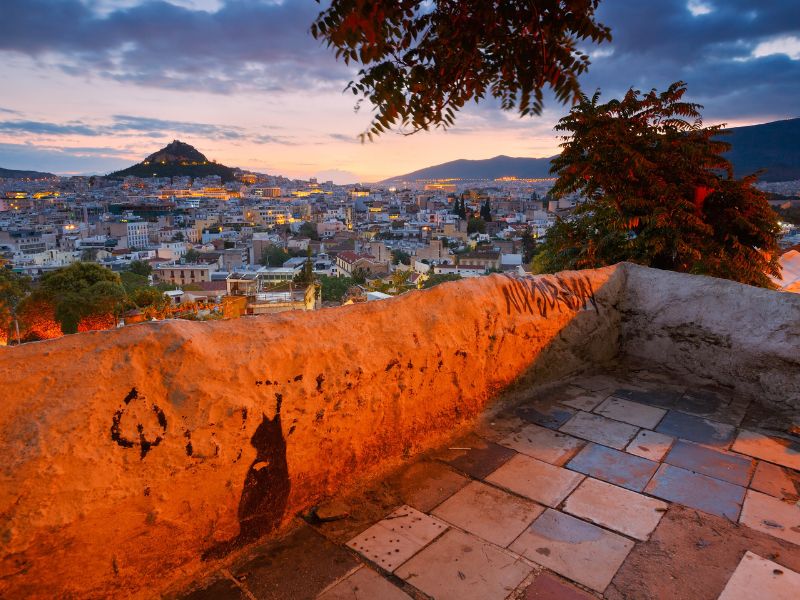
The charm of Anafiotika lives in small things rather than major sights. White walls, bright shutters, bougainvillea spilling from balconies, cats sleeping in warm corners. The houses feel compact and personal, shaped by the uneven slope of the Acropolis.
The paths twist unexpectedly. Some end in tiny courtyards. Others lead to terraces overlooking the city. There is no correct route, and that is part of the pleasure.
Many visitors arrive planning to stay a few minutes and end up wandering much longer.
The Stairways That Define the Area
The staircases are what truly shape Anafiotika. They connect homes, terraces and viewpoints in a quiet vertical maze. Some are wide and filled with sunlight. Others are narrow and shaded, cool even on warm days.
You naturally slow down here. People stop to look around, to take photographs, or simply to enjoy the stillness. Every few steps the perspective changes. Rooftops appear below you. Trees frame the skyline. Athens stretches out in the distance.
A Real Neighbourhood, Not a Museum
Even though it attracts visitors, Anafiotika is still a residential area. Laundry hangs from balconies. Windows are open. Daily life continues quietly in the background.
This is part of what makes the experience feel genuine. It is not staged or designed for tourism. It simply exists, quietly, beneath one of the world’s most famous monuments.
Unexpected Views of the City
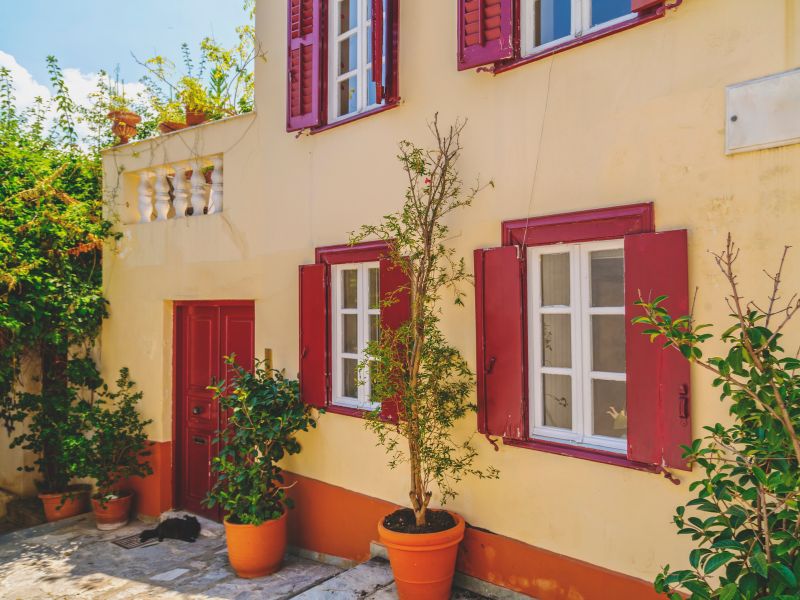
As you move higher, the views begin to open up. From certain corners, Athens looks completely different. The rooftops spread out below, church domes rise between buildings, and distant hills frame the horizon.
It is a surprising perspective on a city often associated with busy avenues and ancient ruins.
Why This Walk Stays in Memory
Exploring Anafiotika is not about reaching a specific destination. It is about atmosphere. About slowing down. About noticing light, silence and small details.In a city visited by millions every year, this quiet hillside neighbourhood still feels personal. And that is exactly what makes the walk memorable.


